



Cube Ice Machine vs Flake Ice Machine, How to Choose the Best Ice Machine for Business?
28 - 2 - 2026
With summer approaching, it's the perfect time to examine how to improve business operational efficiency. Whether launching a new project or upgrading existing equipment, choosing the right ice machine is a seemingly small but significant upgrade. The two most common options on the market are flake ice machines and cube ice machines, each with its unique advantages. This article will delve into the differences between these two types of ice-making equipment and provide you with a selection guide to help you find the most suitable business partner. Let's get started!
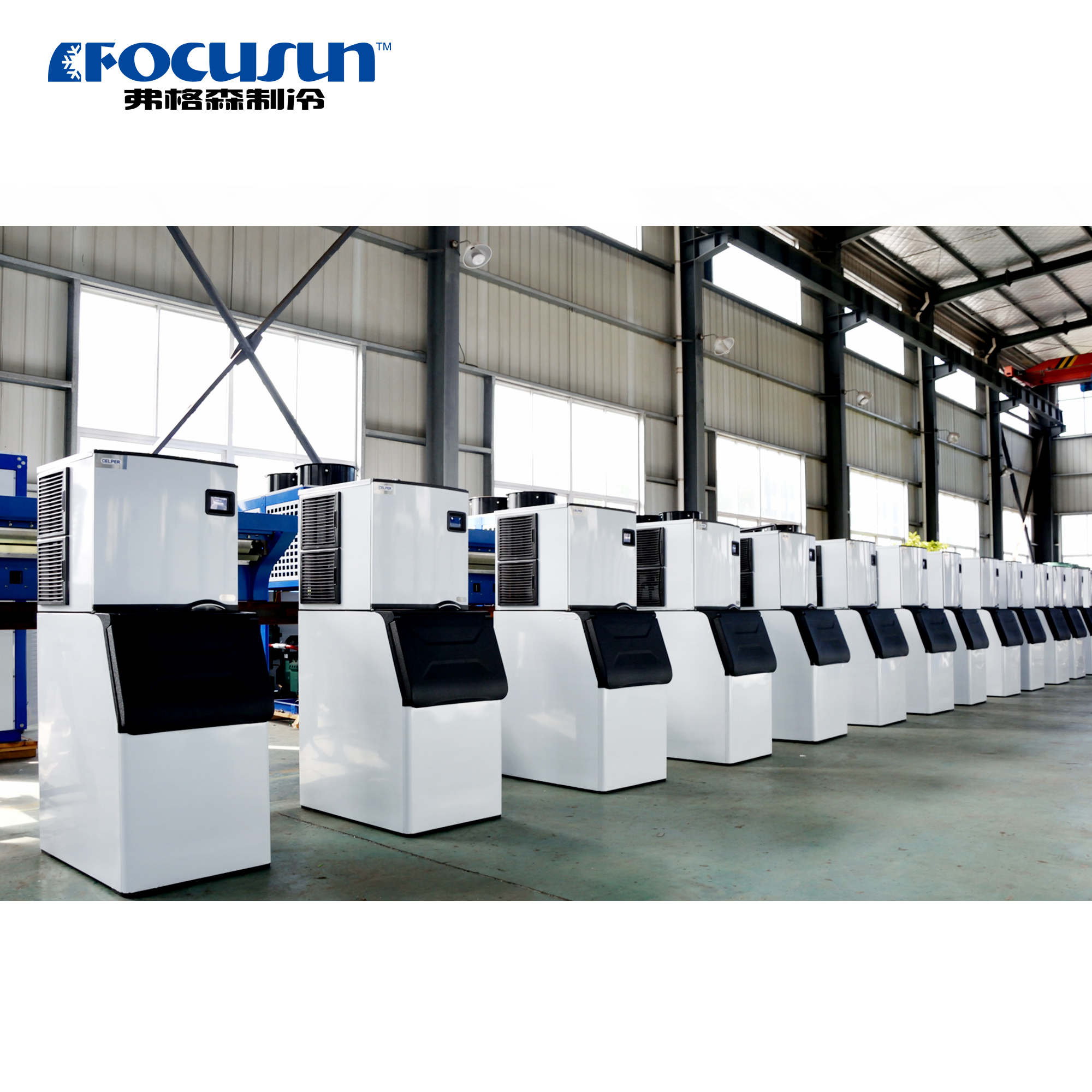
What is a Cube Ice Machine? What Makes It Special?
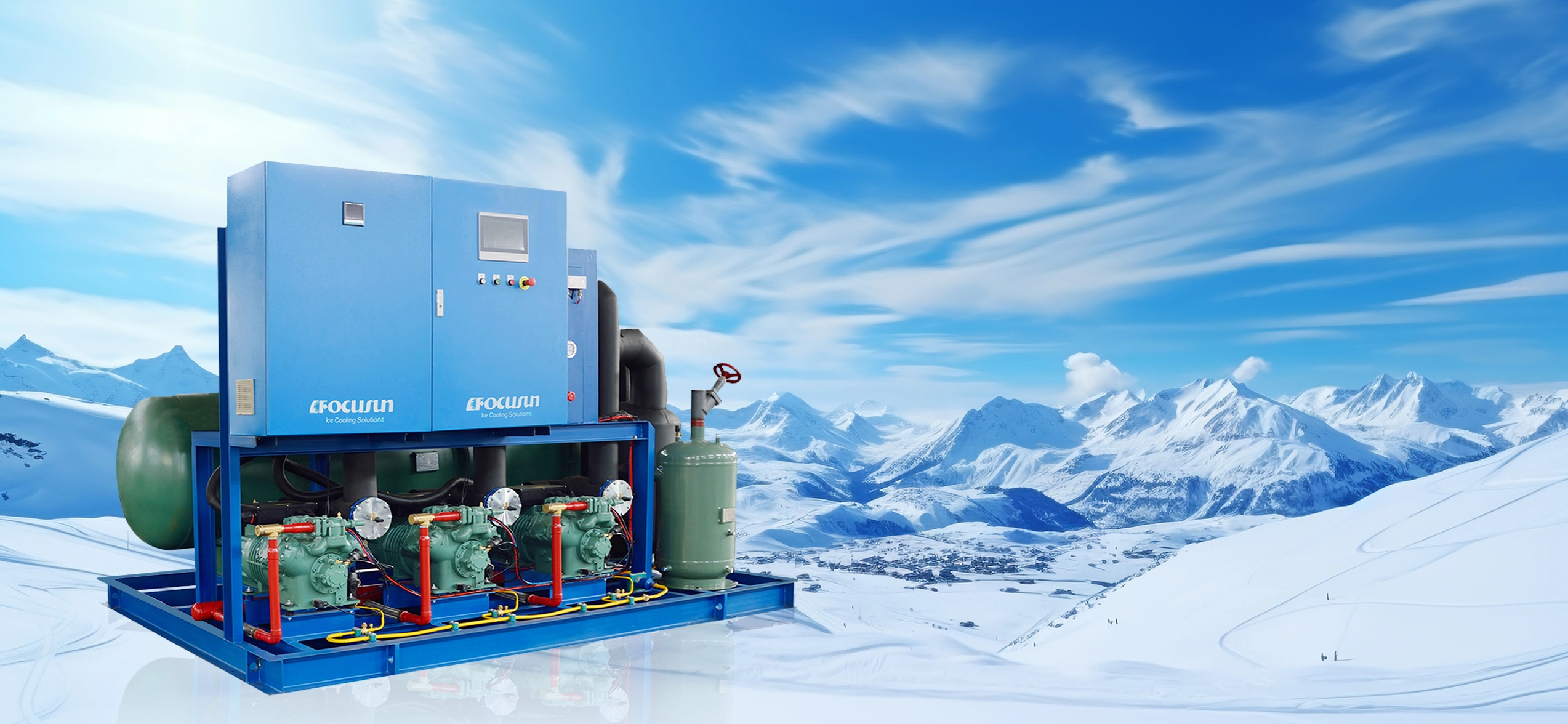
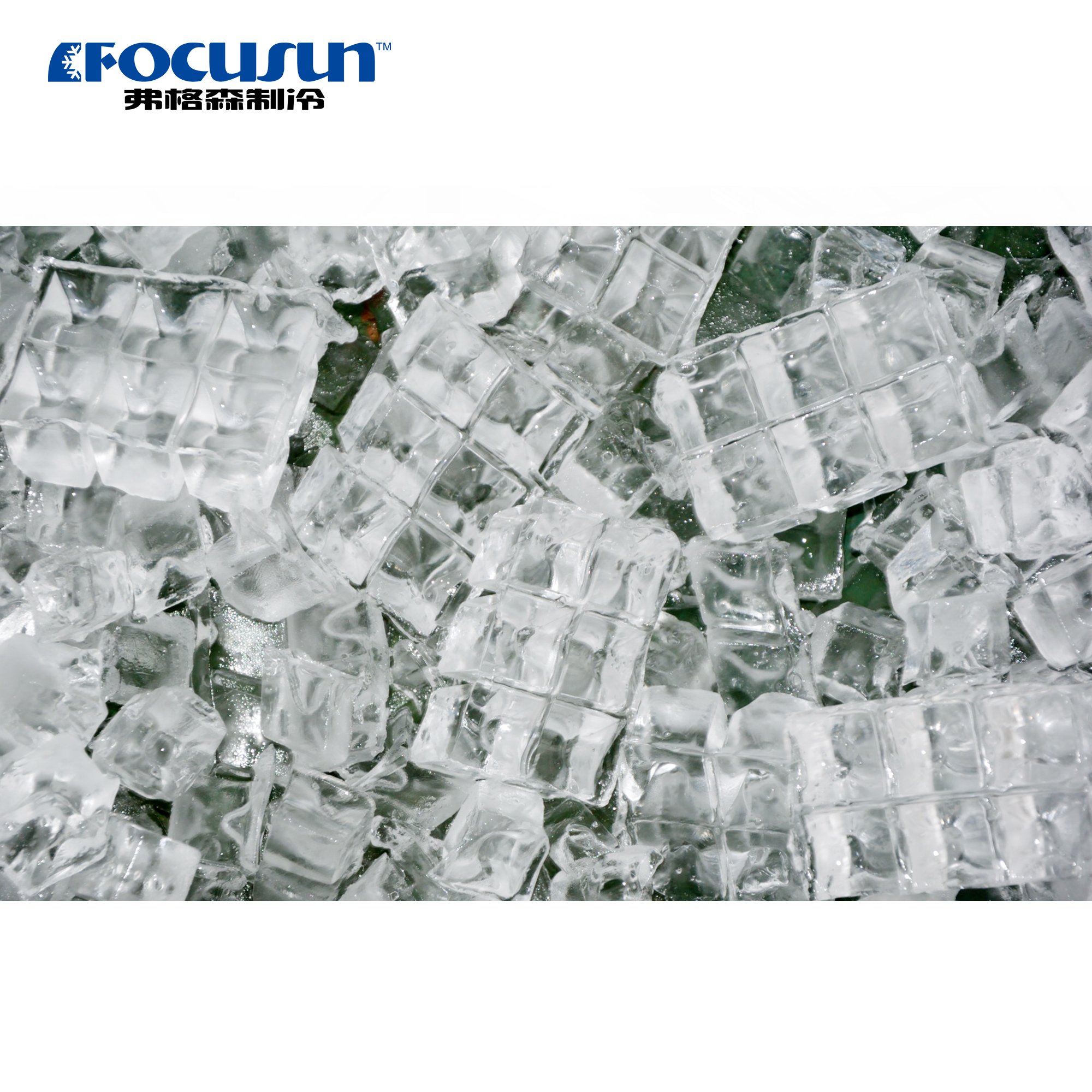
A cube ice machine is a type of ice-making equipment specifically designed to produce uniform, solid ice cubes. These cubes are regularly shaped, durable, and easy to scoop, making them ideal for large-volume applications. Furthermore, they are crystal clear and melt slowly, enhancing the visual appeal of drinks while preserving their flavor, making them ideal for bars, restaurants, and cafes. Focusun offers a variety of large and commercial small cube ice machines for producing cubes including full cubes, half cubes, gourmet cubes, and more.
What is a Flake Ice Machine? What Makes It Special?
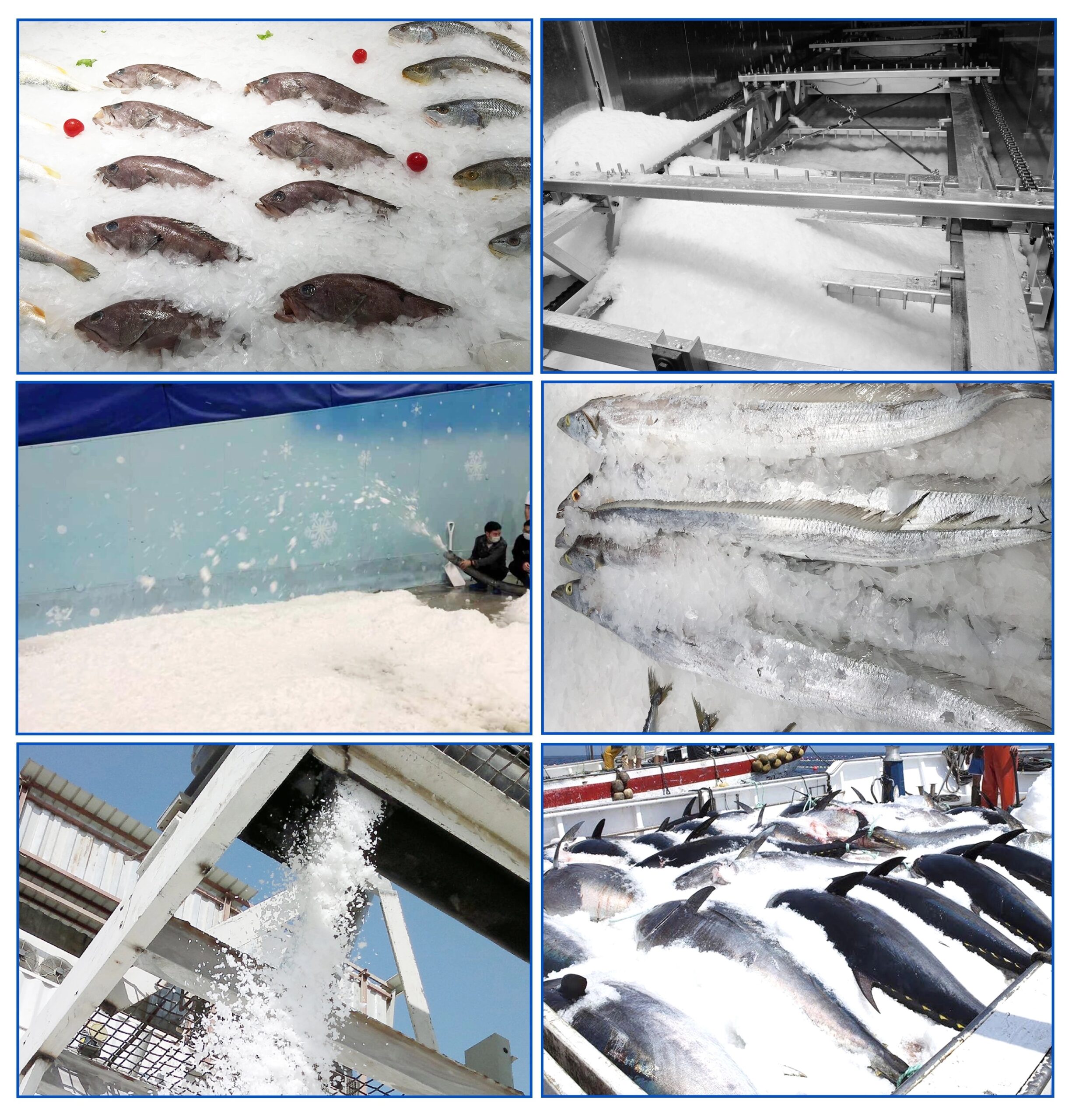
A flake ice machine is a type of ice-making equipment specifically designed to produce thin, irregularly shaped ice flakes. These flakes are soft, easy to shape, and efficiently and evenly cool products, preventing spoilage. For businesses that require fast, reliable, and stable ice production, a flake ice machine is the ideal choice. Flake ice has a large surface area and is gentle on delicate items. It can reduce damage to seafood or agricultural products while freezing them quickly, so it is widely used in food preservation and seafood processing industries.
Cube Ice Machine vs Flake Ice Machine
| Comparison Dimensions | Cube Ice Machine | Flake Ice Machine |
| Ice Feature | Uniform size, regular shape, sturdy | Thin and irregularly shaped, with a large contact area, it is easy to shape |
| Cooling Efficiency | It takes a long time to cool, melts slowly, and is not easily diluted | Rapid cooling, uniform contact, and ability to tightly wrap objects |
| Application Areas | Beverage preparation, catering services, banquets and catering | Food preservation and display, seafood processing, medical cooling, chemical cooling |
| Cost | More affordable for commercial and personal use | Typically more expensive due to industrial applications |
| Energy Consumption | Energy consumption per unit of ice production is usually relatively low | To achieve rapid cooling and special ice shapes, energy consumption is relatively high |
How to Choose between Cube Ice Machine and Flake Ice Machine?
When choosing between a cube ice machine and a flake ice machine, please pay close attention to the following factors:
.Your Business
If your business primarily uses ice cubes, especially in the food service industry. For example, when serving guests glass water, soft drinks, spirits, or cocktails, ice cubes can enhance both the presentation and functionality of the beverage. Ice cubes keeping it cold for longer and melting slowly. Small cube ice machine is suitable for almost all types of restaurants, bars, cafes, and hotels.
If your business involves preserving, displaying, or rapidly cooling delicate items—for example, in seafood markets for displaying and preserving fish, in supermarkets for salad bars and seafood counters, in food processing plants for rapidly cooling mixed ingredients, in medical laboratories for temporary sample refrigeration, or in concrete mixing plants for controlling the temperature of the mix—choose a commercial flake ice machine for sale by focusun. The large contact area and soft nature of flake ice allow for rapid yet gentle cooling without damaging the product surface.
.Operating Space
Commercial cube ice machines have a more compact design, occupy a relatively small area, and offer greater flexibility in terms of installation space requirements. Flake ice machines, especially medium to large-scale industrial systems, may require more space due to the need to integrate refrigeration units, ice storage bins, or conveying devices. Therefore, it is necessary to assess the actual space and load-bearing capacity of the work area in advance.
.Budget and Maintenance
Cube ice machines are generally more affordable and easier to maintain. The initial purchase cost of a flake ice machine may be higher, but the long-term value it brings to the production process (such as reduced waste and increased efficiency) will far outweigh the initial investment.
Frequently Asked Questions(FAQs)
Q1: What is their production capacity?
Flake ice machines typically have a daily production capacity ranging from 1 to 60 tons.
Cube ice machines have a wider daily production capacity range, from 30 kg to 20 tons per day, catering to the diverse needs of everything from small cafes to large restaurant chains.
Q2: Can these ice-making devices be used in the food industry?
Of course. Focusun controls water quality safety from the source, and its ice-making equipment is made of 304 food-grade material, so the ice produced can directly contact food or be used in the food industry.
Q3: Are they energy efficient?
Yes. Each model is engineered to reduce power and water consumption, helping businesses save on long-term operational costs.
Conclusion
Choosing between a cube ice machine and a flake ice machine is not a simple matter of superiority or inferiority, but a comprehensive decision based on core applications, scenario requirements, and operating costs.
If you are still struggling to choose between a flake ice machine and a cube ice machine, please free feel to contact us! As a professional industrial ice machine supplier, we can provide customized ice-making solutions ranging from small-scale to industrial-grade, ensuring the success of your core business.




 Location