



Why Block Ice Machines Remain a Reliable Choice for Seafood and Industrial Cooling
14 - 7 - 2026
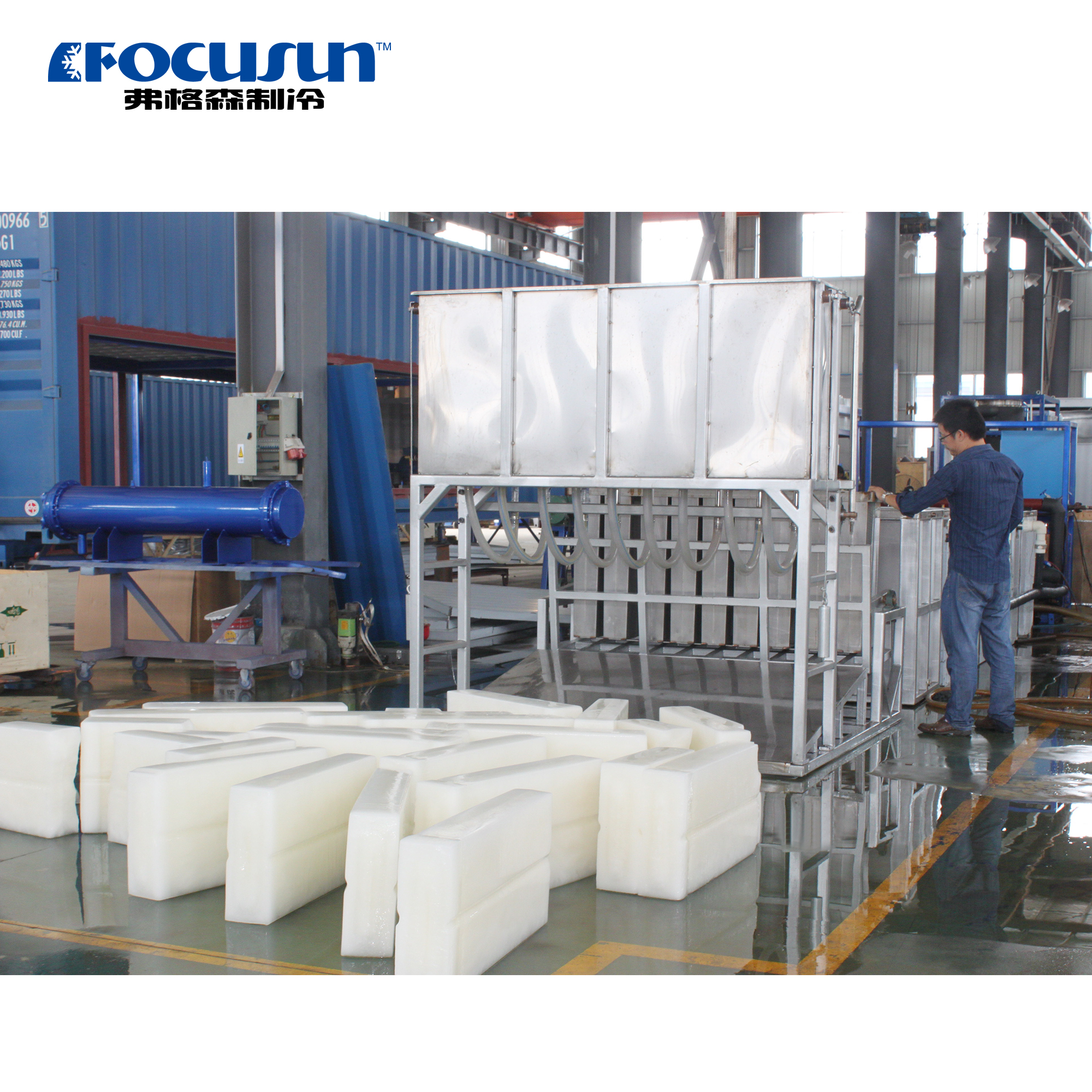
In seafood processing, fishing, and cold chain transportation, keeping products at the right temperature is always a key concern.For many businesses, block ice is still a practical way to maintain cooling during storage and transportation. Its large size and slow melting characteristics allow it to provide cooling for a longer period compared with many smaller ice types.While the ice industry has developed different solutions for different applications, block ice continues to be used in situations where a stable ice supply and long cooling time are needed.With experience in refrigeration equipment manufacturing, Focusun develops block ice machine systems for customers in seafood, food preservation, and other industrial applications.
Why Block Ice Is Still Used in Many Cooling Applications?
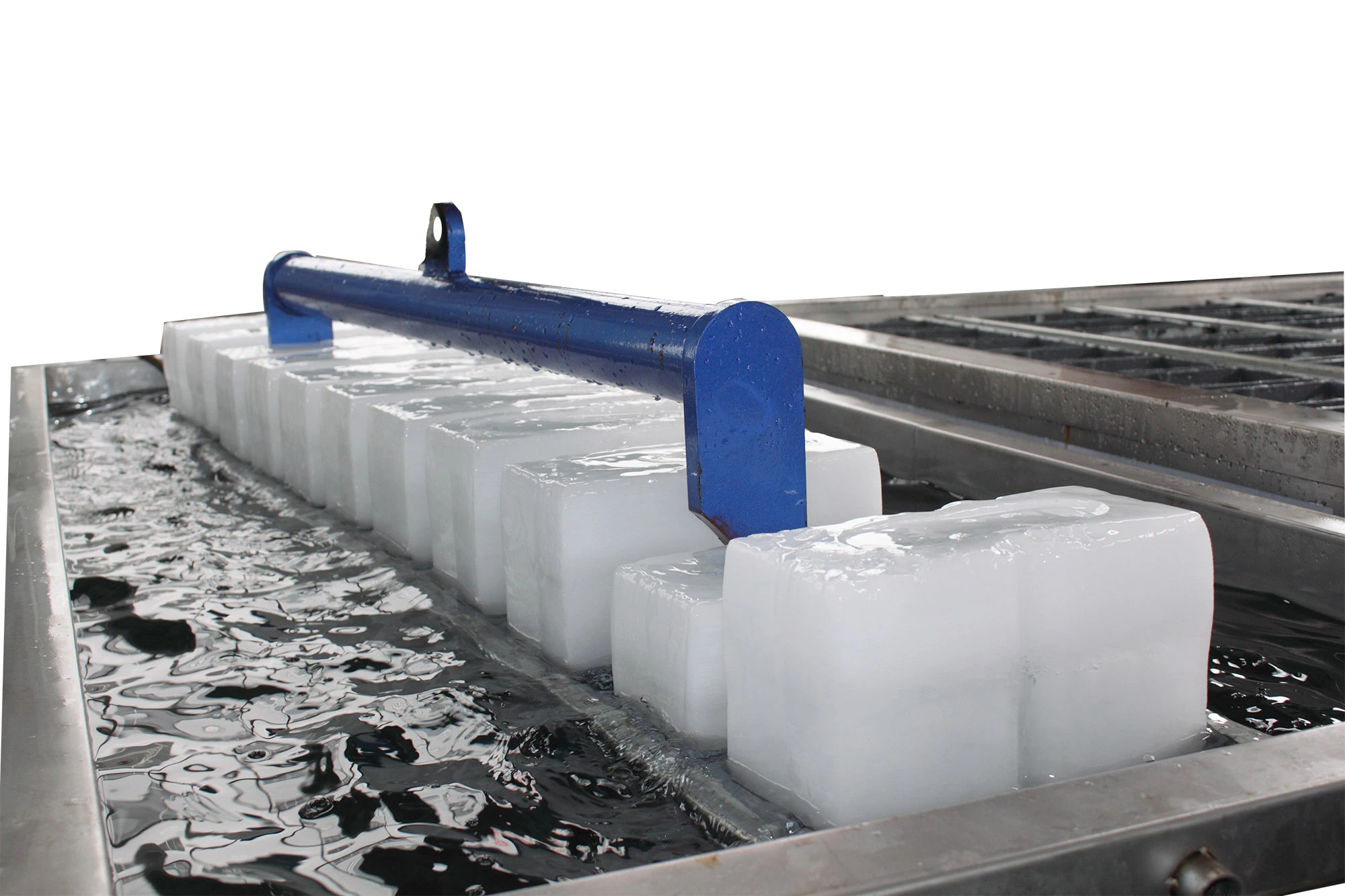
Different industries choose ice based on their actual working conditions.For example, flake ice is often used when fast and direct cooling is required, while tube ice is commonly selected for commercial consumption. Block ice has a different purpose — it is often chosen when ice needs to last longer during use.The solid structure of block ice means it has a slower melting process. This is especially useful for transportation, outdoor operations, and areas where continuous refrigeration may not always be available.
Main Applications of Block Ice
Seafood Preservation and Transportation
Seafood products are highly sensitive to temperature changes.During fishing, sorting, processing, and transportation, block ice helps maintain a cooler environment around the products.Because larger ice blocks melt more slowly, they are commonly used when seafood needs to stay cold for longer periods before reaching the final destination.
Fishing Industry
For fishing vessels, having enough ice available can directly affect the preservation of catches.Block ice can be prepared in advance, stored easily, and used gradually during fishing operations.This makes it a common choice for fishing businesses that need dependable cooling support from offshore operations to shore-based processing.
Commercial and Industrial Cooling
Besides seafood-related applications, block ice is also used in other areas where temporary cooling is required.
Typical applications include:
- Food transportation
- Commercial ice supply
- Outdoor cooling projects
- Industrial temperature control
How Does a Block Ice Machine Work?
A block ice machine produces ice blocks by freezing water inside molds through a refrigeration process.Although machine designs may vary, the basic production process usually includes three stages.
Water Filling
Water is filled into ice molds with specific sizes according to production requirements.Different customers may require different block weights depending on transportation methods and usage conditions.
Freezing Process
During freezing, the refrigeration system removes heat from the water until it becomes solid ice.
Industrial block ice machines mainly use two refrigeration methods:
- Direct cooling
- Brine cooling
The choice between these systems depends on production capacity, installation conditions, and project requirements.
Ice Harvesting
After the freezing cycle is completed, the ice blocks are removed from the molds.The finished blocks can then be stored, transported, or supplied to end users.
Direct Cooling vs Brine Block Ice Machine
When purchasing a block ice machine, understanding the difference between cooling methods can help customers select a more suitable system.
Direct Cooling Block Ice Machine
A direct cooling block ice machine freezes water by transferring refrigeration energy directly to the ice molds.Without a secondary cooling medium, the system structure is relatively simple.
Key characteristics:
- Direct cooling process
- Compact equipment design
- Fewer supporting systems
- Convenient operation
This type is often considered for projects that require efficient production and simpler installation.
Brine Block Ice Machine
A brine block ice machine uses chilled saltwater as a cooling medium between the refrigeration system and the ice molds.The refrigeration unit first cools the brine, and the cold brine then freezes the water inside the molds.
Key characteristics:
- Stable freezing conditions
- Suitable for larger production capacity
- Flexible system configuration
This method is commonly used in larger ice production facilities that require continuous operation.
What Should Be Considered Before Choosing a Block Ice Machine?
Choosing an ice machine is not only about production capacity. The actual application environment is equally important.
Daily Ice Requirement
The required ice output is usually the first factor customers consider.A small seafood business may need a different machine from a large-scale ice production plant.Selecting the right capacity helps avoid unnecessary investment while ensuring sufficient ice supply.
Intended Application
The final use of the ice affects the equipment selection.For seafood transportation, slow melting performance may be a priority.For commercial ice suppliers, stable output and continuous production may be more important.
Installation Conditions
Before purchasing, customers should also consider:
- Available installation space
- Local climate conditions
- Water quality
- Power supply
These factors can influence equipment performance and long-term operation.
Focusun Develops Block Ice Machine Solutions Based on Customer Needs
With years of experience in refrigeration equipment manufacturing, Focusun provides block ice machine solutions for different applications.
The company offers:
- Direct cooling block ice machines
- Brine block ice machines
- Different production capacities
- Customized equipment designs
By considering each customer's production requirements and operating environment, Focusun helps businesses select suitable ice-making equipment for their projects.
Block Ice Technology Continues to Support Cooling Applications Worldwide
From seafood transportation to industrial cooling, block ice remains an effective method for applications that require stable temperature control.As industries continue to improve their cold chain systems, reliable ice production equipment remains an important part of many operations. Focusun continues to develop refrigeration technologies and provide professional block ice machine solutions for customers around the world.




 Location