



What Is a Plate Ice Machine and Why Is It Used in Food Cooling Applications?
14 - 7 - 2026
In many food industries, ice is not only a cooling material but also part of the daily production process.Seafood companies use ice after harvesting and during processing. Food factories may require ice during handling and temporary storage. Transportation operators also rely on cooling methods to maintain product conditions during delivery.
The choice of ice type depends on the application.A plate ice machine produces flat sheets of ice through a refrigeration process. Compared with smaller ice forms, plate ice is easier to handle in larger quantities and is often used in seafood cooling, food processing, and industrial applications.
Focusun develops ice-making and refrigeration equipment, including plate ice system solutions for different cooling requirements.
What Is a Plate Ice Machine?
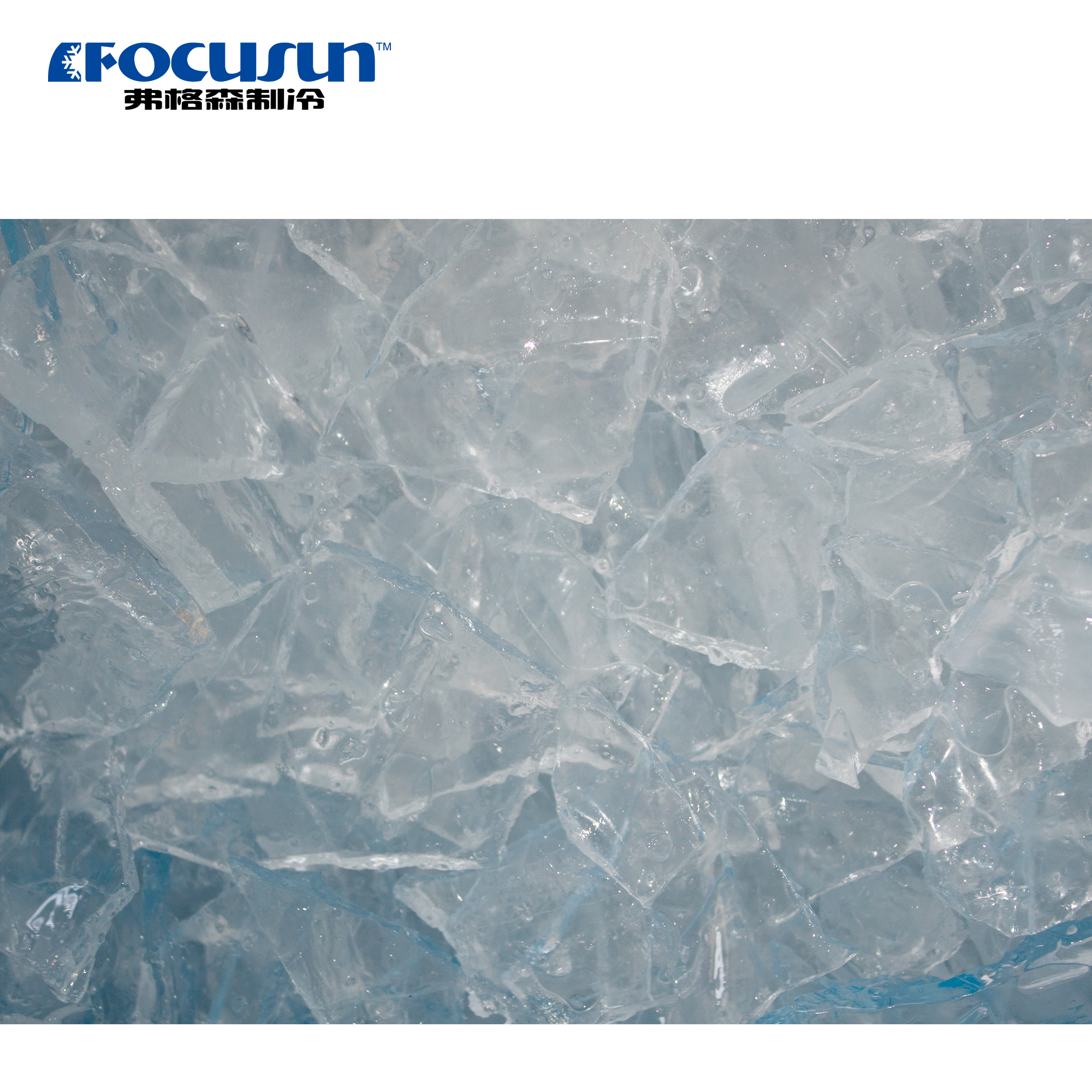
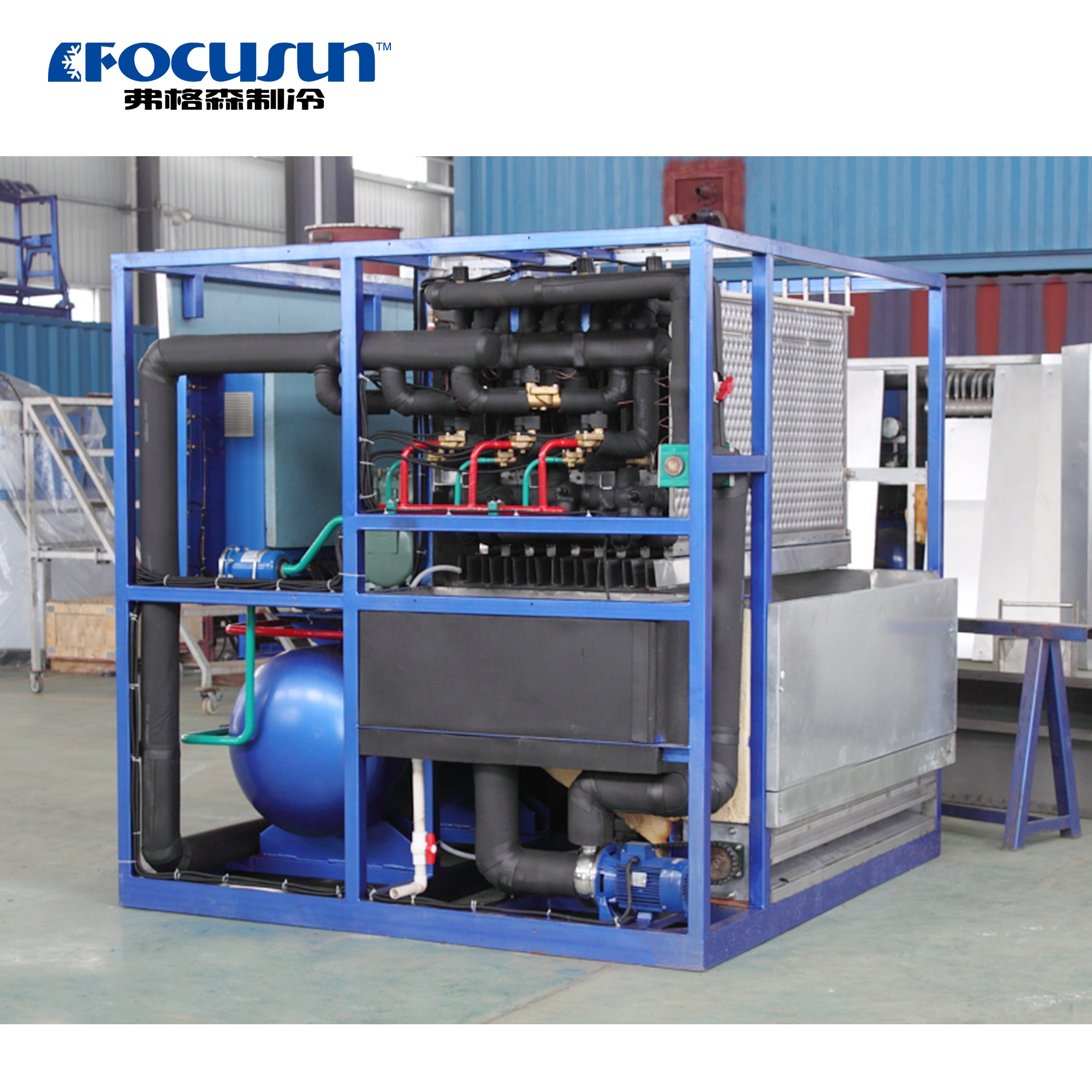
A plate ice machine freezes water on a cold metal surface and forms a layer of ice. During operation, water is distributed across the freezing plate. The refrigeration system removes heat from the surface, allowing the water to gradually become solid ice. After the ice reaches the required thickness, it is released from the plate and collected. The production method gives plate ice a different structure from cube ice, tube ice, or flake ice. Instead of many small pieces, it creates larger flat ice pieces that can be broken into different sizes when needed.
Why Is Plate Ice Used in Food Cooling?
Food cooling requirements are different from one industry to another. A seafood processor may need ice that can cover products during handling. A food factory may need a stable ice supply during production. A transportation company may focus more on maintaining temperature during delivery. Plate ice is often selected because of its shape.
The flat surface allows the ice to contact a wider area. At the same time, the larger pieces are easier to move, store, and manage compared with loose small ice particles. For these reasons, plate ice has become a common option in many industrial cooling situations.
Main Applications of Plate Ice Machines
Seafood Processing
Seafood quality can be affected by temperature changes during processing. After products arrive at a processing facility, ice is often used during sorting, preparation, and temporary storage. A plate ice machine can provide a continuous ice supply for these operations. The produced ice can be distributed according to production needs and working schedules.
Food Production
Some food production processes require cooling during handling. Plate ice can be used where large amounts of ice are needed and frequent handling is required. Compared with smaller ice pieces, the larger structure makes storage and transportation within the facility more convenient.
Cold Chain Operations
Temperature management does not stop after production. During transportation, companies need suitable cooling methods to reduce temperature changes. Plate ice can be stored with insulated containers or other cooling equipment for transportation purposes.
How Does a Plate Ice Machine Work?
A plate ice maker works through a continuous refrigeration cycle. Although the equipment design may vary, the basic production process includes three stages.
Water Distribution
Water enters the machine and spreads across the freezing plate. A uniform water layer helps create consistent ice thickness.
Freezing Process
The refrigeration system absorbs heat from the freezing surface. As the temperature decreases, the water gradually freezes into a solid ice layer. The freezing time depends on the machine design, ice thickness requirements, and operating conditions.
Ice Release
After freezing is completed, the ice sheet separates from the freezing surface. The finished plate ice is collected and prepared for storage or application.
Plate Ice Compared with Other Industrial Ice Types
Different ice types have different working purposes.
Plate Ice
Plate ice is commonly selected for applications that require larger ice pieces and convenient handling.
Typical features include:
- Flat ice structure
- Large contact surface
- Easy storage
- Suitable for industrial use
Flake Ice
Flake ice consists of thin pieces with a wide surface area. It is often used where quick surface cooling is required, especially in seafood displays and food processing.
Block Ice
Block ice has a dense structure and melts slowly. It is usually used in situations where ice needs to remain available for a longer period.
What Should Buyers Check Before Choosing a Plate Ice Machine?
Selecting an ice machine requires consideration of the actual working conditions.
Ice Production Capacity
The required output depends on daily ice consumption. A seafood factory, food plant, and small commercial user may have completely different production requirements.
Usage Environment
Installation location can affect equipment selection.
Available space, power supply, water conditions, and operating environment should all be considered before installation.
Ice Handling Method
Different users may have different ways of storing and using ice.
The equipment design should match how the ice will be collected, transported, and applied.
Focusun Plate Ice Machine Solutions
Focusun specializes in refrigeration and ice-making equipment manufacturing.
Its plate ice machine and plate ice system products are used for:
- Seafood cooling
- Food processing
- Cold chain applications
- Industrial cooling projects
Based on production requirements and installation conditions, Focusun provides equipment configurations for different customer projects.
Plate Ice Continues to Support Industrial Cooling Needs
As food industries develop, cooling processes continue to become more specialized. Different applications require different ice types, and plate ice remains a practical choice for users who need larger ice pieces, convenient handling, and stable cooling performance. Focusun continues to develop refrigeration equipment for customers in global markets.




 Location