



Slurry Ice Machines: Powering High-Quality Upgrades in the Cold Chain Industry
5 - 1 - 2026
Versatile Applications: A Core Driver for Cold Chain Advancement
Slurry ice machines are emerging as a powerhouse for high-quality upgrades in the cold chain industry, with their unique advantages deeply empowering development across multiple sectors. I’ve spent years talking to cold chain professionals—from fishing boat skippers to pharmaceutical warehouse managers—and one thing always stands out: the right ice solution doesn’t just keep things cold; it transforms entire operations. As a leader in industrial refrigeration equipment, Focusun has engineered slurry ice machines that don’t just churn out ice; they adapt to the rough, salt-sprayed decks of distant-water fishing vessels, the bustling, temperature-sensitive aisles of large supermarket cold storage, the fast-paced assembly lines of food processing plants, and the ultra-precise world of medical pharmaceutical transportation. Their widespread adoption does more than just boost refrigeration and preservation efficiency and quality, too—it weaves cost reduction, efficiency gains, and green transformation into the daily work of related industries, turning what used to be operational headaches into clear competitive edges.
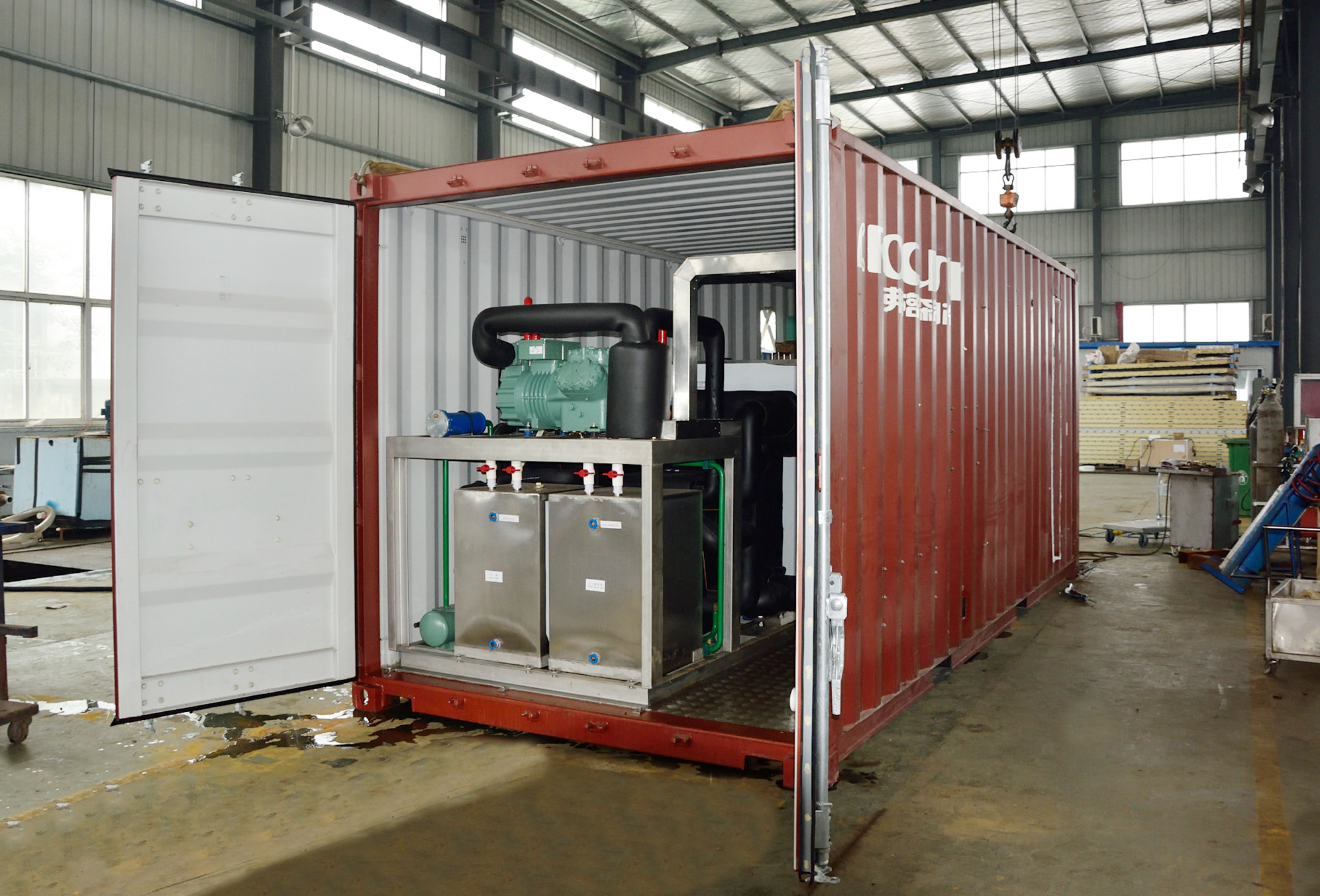
Aquaculture Revolution: Cutting Spoilage and Boosting Product Value
I still vividly remember a conversation with a deep-sea fishing captain out of Qingdao, who told me how Focusun’s slurry ice machines turned his business around. A few years back, he and his crew relied entirely on block ice to keep their cod and salmon fresh during 10-day voyages. Block ice cools slowly, for one thing, and as it melts, the hold temperature swings wildly—sometimes up to 8°C in a single day. That inconsistency led to spoilage rates as high as 15% to 20%, meaning crates of valuable catch ended up being discarded before they even reached shore. Then he installed a Focusun slurry ice machine directly on his vessel. The slurry ice wraps around each fish like a tight, cold blanket, creating a consistent low-temperature environment that cuts spoilage rates to below 5%. What’s more, the fluidity of slurry ice lets it fill every tiny gap in the cargo hold—between crates, around nets, even in the hard-to-reach corners—preventing the bump-and-bruise damage that used to devalue his catch during rough storms at sea. For that captain, it wasn’t just a machine upgrade; it was a lifeline for his business.
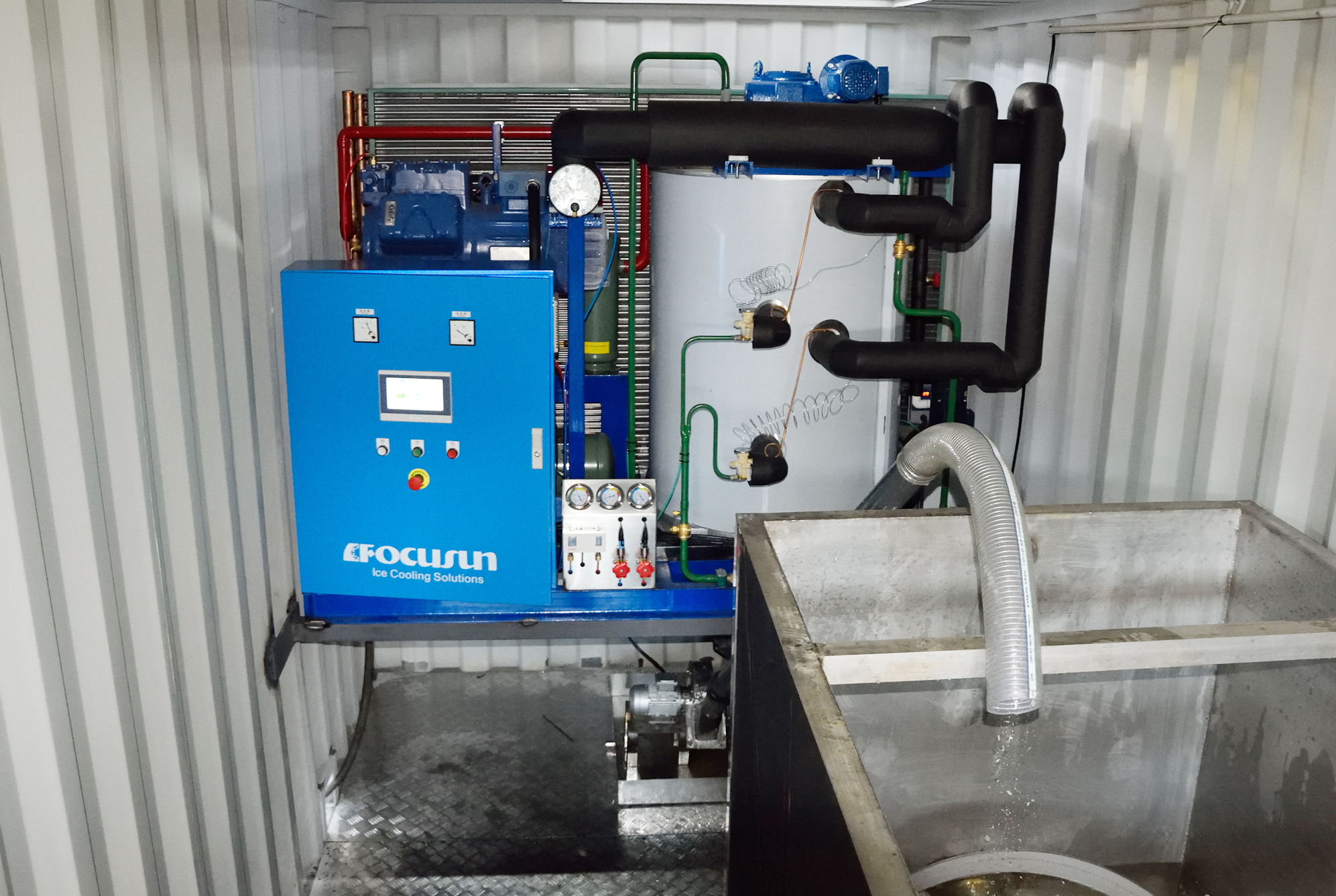
Food Processing Efficiency: Preserving Texture and Nutrients
If you’ve ever bitten into a mushy frozen strawberry or a tough piece of “fresh” meat that tastes like freezer burn, you know why rapid, even cooling matters so much. Food processing is another key arena where slurry ice machines shine, and I saw this firsthand during a visit to a fruit processing plant in Shandong last summer. The plant used to rely on flake ice for cooling their berry batches, but the production manager complained constantly about uneven results—some berries froze too fast and turned mushy, others cooled too slowly and lost their bright flavor and nutrients. Then they switched to slurry ice machine for sale. With their high-efficiency heat exchange capabilities, the machines rapidly lower the core temperature of food to safe levels while avoiding the tissue damage caused by localized overcooling. Take meat slaughtering and processing, too—slurry ice cooling enables quick, uniform freezing, locking in meat freshness so it tastes just as good as the day it was processed, extending shelf life by up to 30%, and even ramping up production line efficiency by cutting down on wait times between processing steps. It’s the kind of small change that makes a huge difference for both businesses and consumers.
Warehousing &Pharmaceutical Logistics: Precision Control and Energy Savings
Cold chain warehousing and logistics also benefit greatly from slurry ice machines, and what struck me most during a tour of a large cold storage facility in Shanghai was how quiet and stable the entire operation was—no loud compressor hums, no sudden temperature spikes. The facility uses Focusun slurry ice refrigeration systems, pumping ice slurry evenly through a network of pipes to maintain a stable low-temperature environment with fluctuations kept within ±0.5°C. That’s a clear edge over the 2°C to 3°C swings common with traditional refrigeration equipment. But the real win here is the energy savings. Slurry ice has strong cold storage capacity, so the facility makes ice during off-peak electricity hours (when rates are 40% cheaper) and releases the stored cold energy during peak times. That simple switch cuts their monthly electricity bills by thousands of dollars and eases pressure on the local power grid. And in the pharmaceutical cold chain, this precision is non-negotiable. I’ve heard from a vaccine distributor in Guangzhou that the stable temperature maintained by Focusun slurry ice meets the strict low-temperature transportation requirements for mRNA vaccines and biological agents, ensuring these life-saving products stay safe and effective from the lab to rural clinics hundreds of miles away.
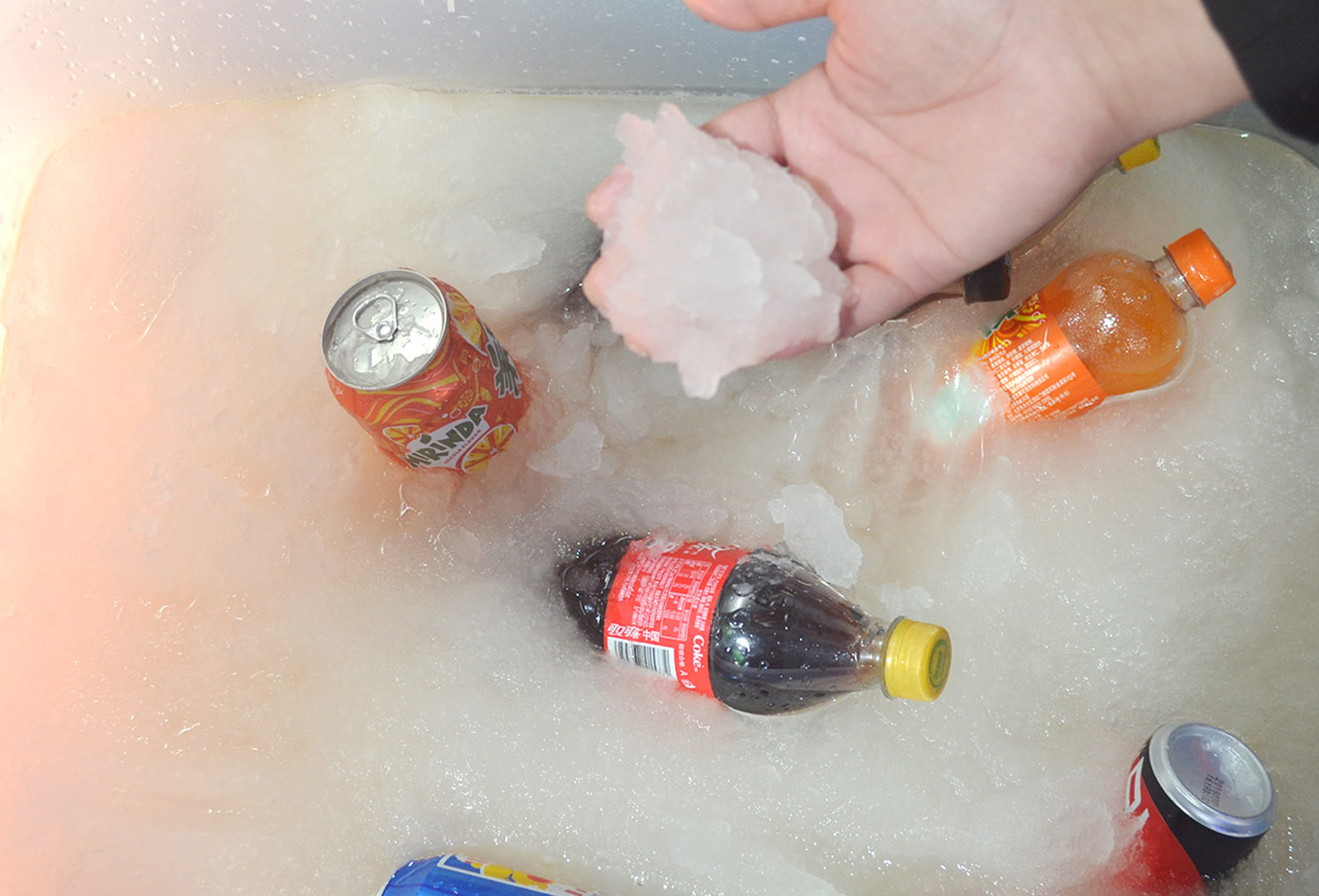
Future Outlook: Green Development and Broader Market Opportunities
The widespread use of slurry ice machines has not only pushed forward technological progress in the cold chain industry but also fueled green development across related fields, and I think the best is still to come. As China’s cold chain logistics sector grows rapidly and the “dual carbon” goals move from paper to practice, slurry ice machines are poised to seize even broader market opportunities—from small-scale local farms looking to preserve their harvests to global pharmaceutical distributors shipping sensitive products across continents. With continuous technological innovation and expanding application scenarios, Focusun’s ice slurry will play an increasingly vital role in safeguarding food safety, elevating healthcare standards, and advancing green and low-carbon development. They’re not just machines, after all—they’re the quiet workhorses that inject robust momentum into the high-quality growth of multiple industries.
Are you a cold chain logistics, aquaculture, or food processing professional looking to enhance efficiency and reduce costs? Focusun’s slurry ice machines deliver precision cooling solutions that align with “dual carbon” goals and boost product value.
Contact us to learn more about our customized equipment, or connect with our team to discuss how we can support your operational upgrades.




 Location